Luoghi
Prima il luogo, perché è così che si cerca: non «architettura romana», ma un edificio preciso, in una valle precisa, che qualcuno ha visto e vuole capire.
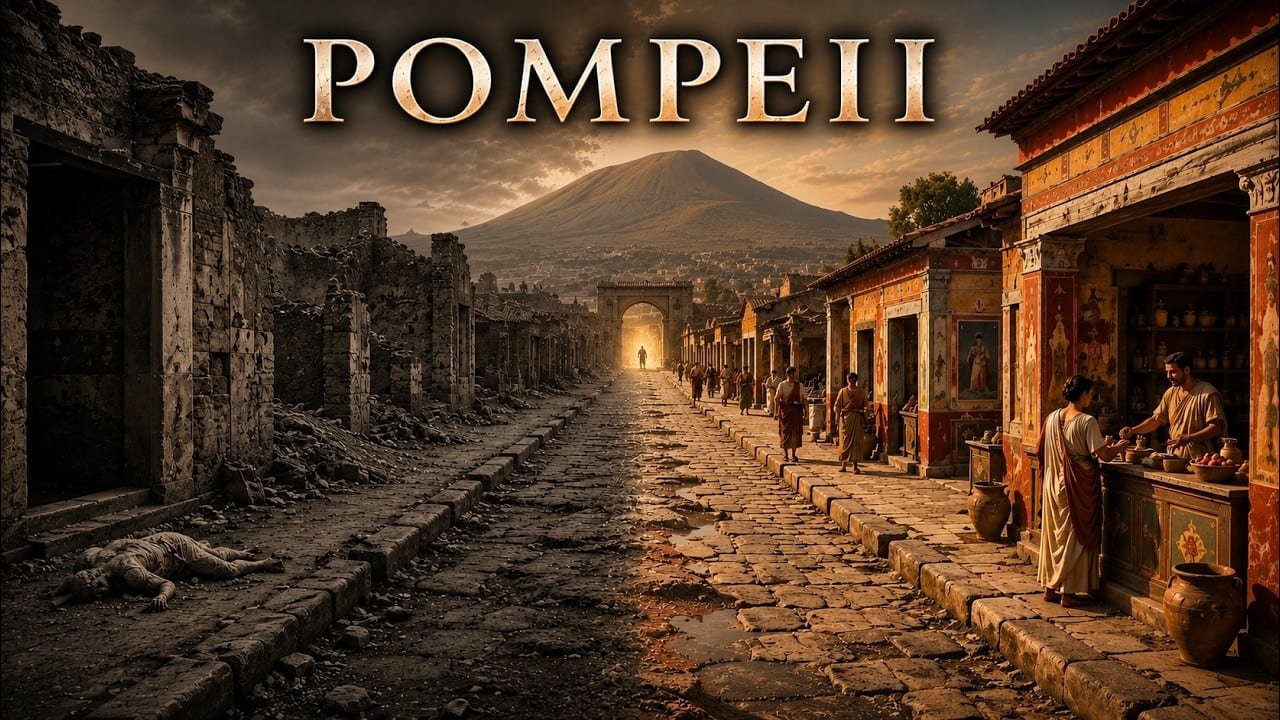
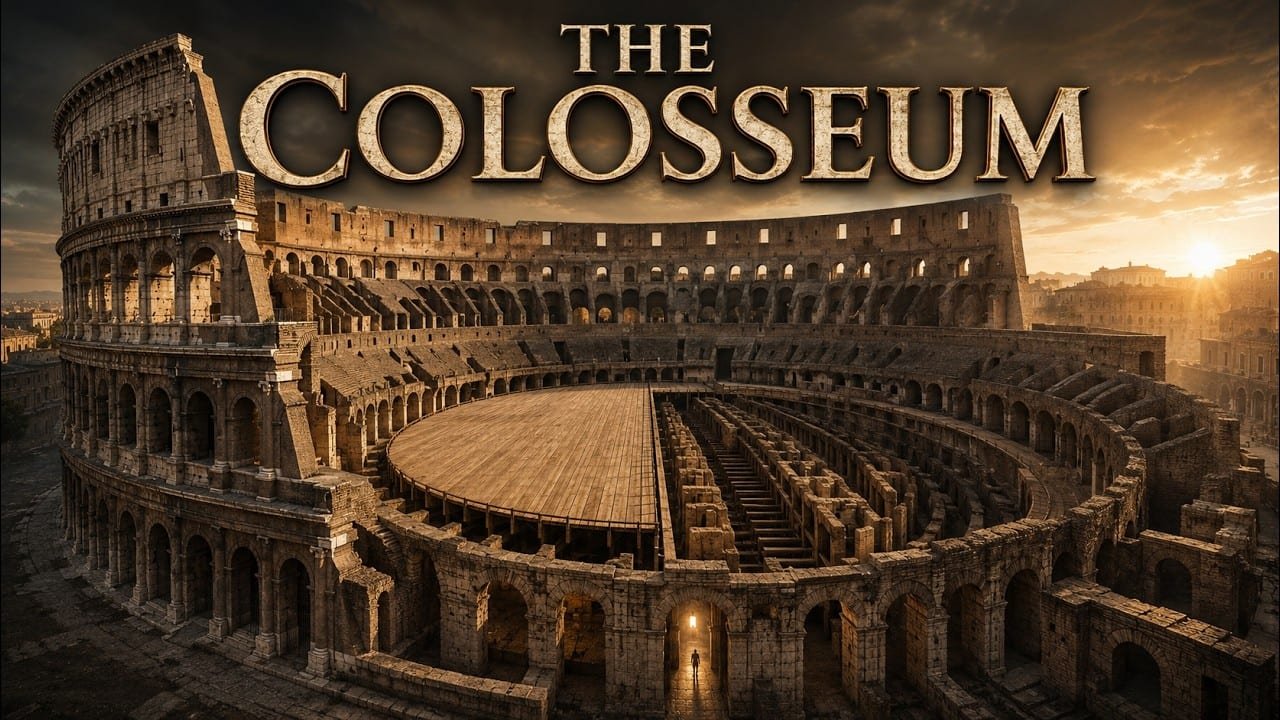
The densest surviving concentration of Roman engineering in the world — plus the two cities that show what happens when it stops: one buried in a day, one sinking by the century.
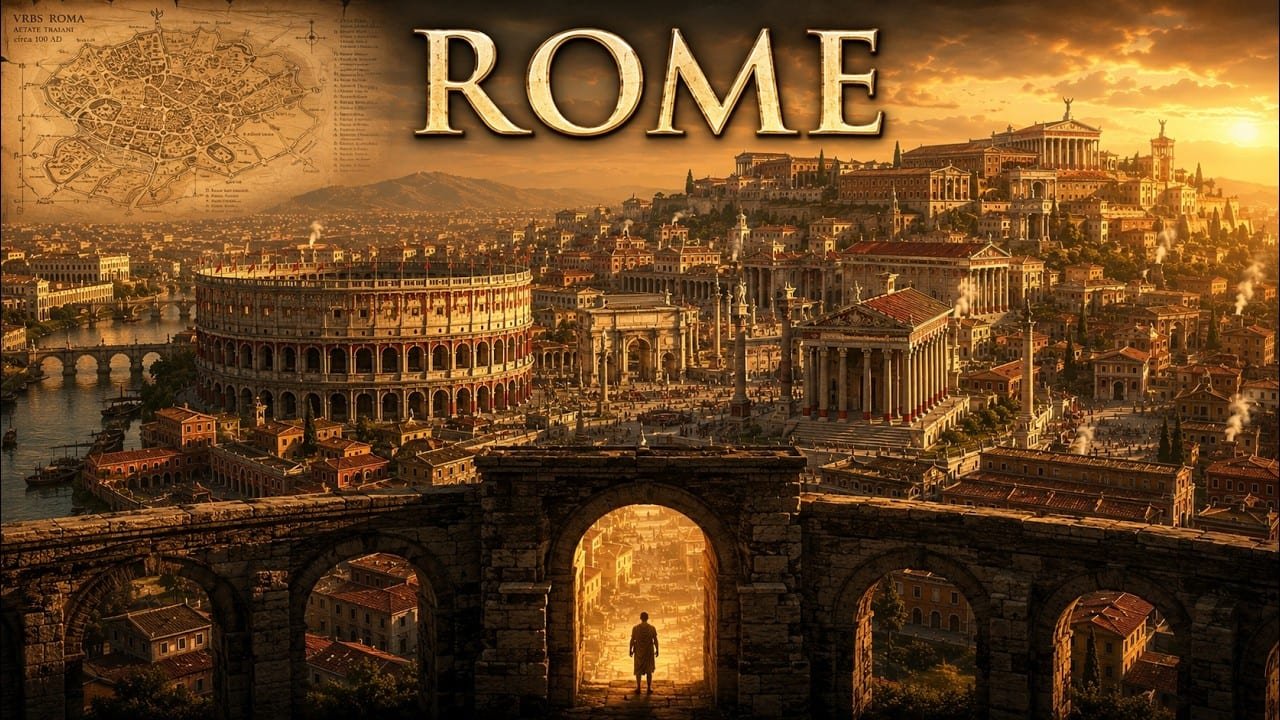
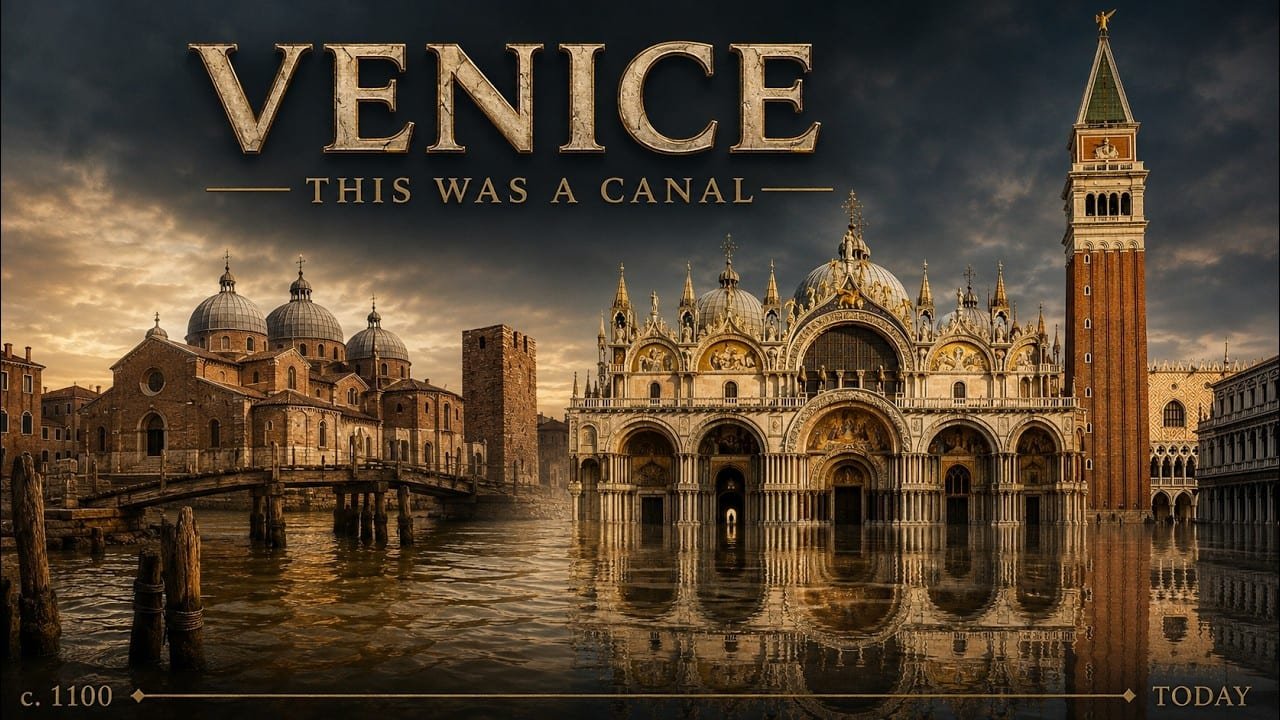
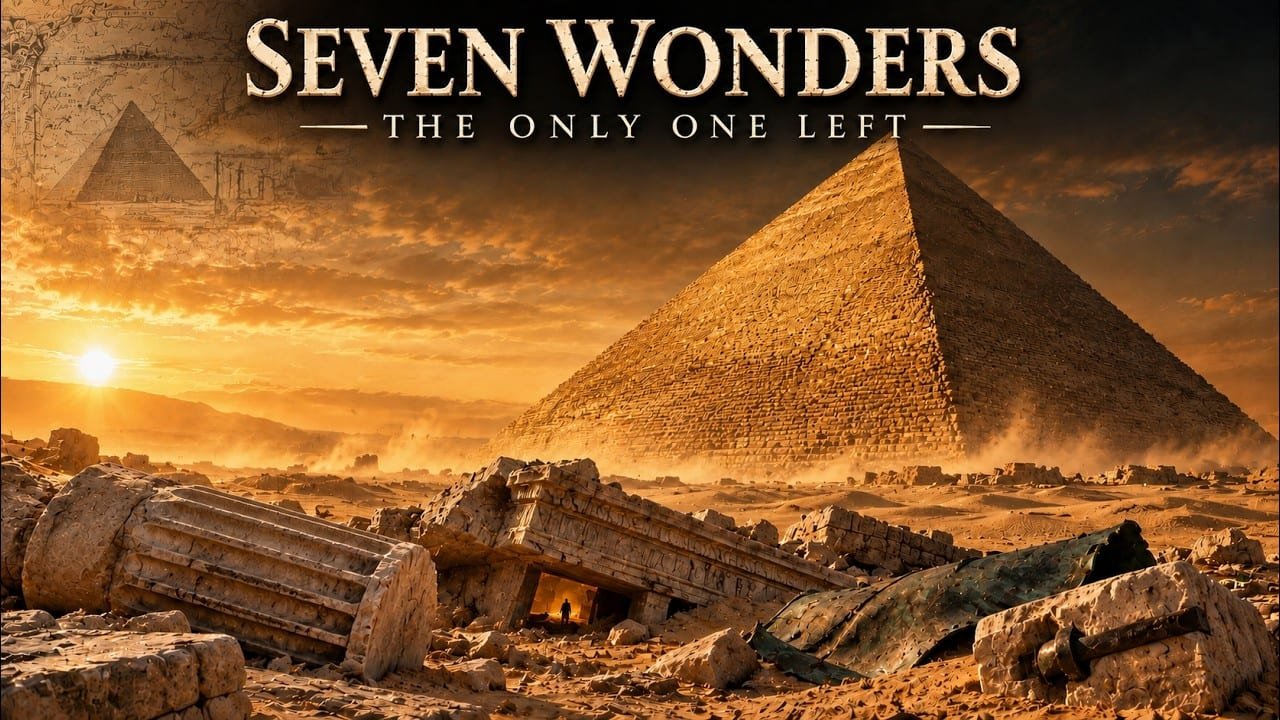
Monuments so old that Egypt’s own kings were already excavating them. The building programme that invented the administrative state that ran it.
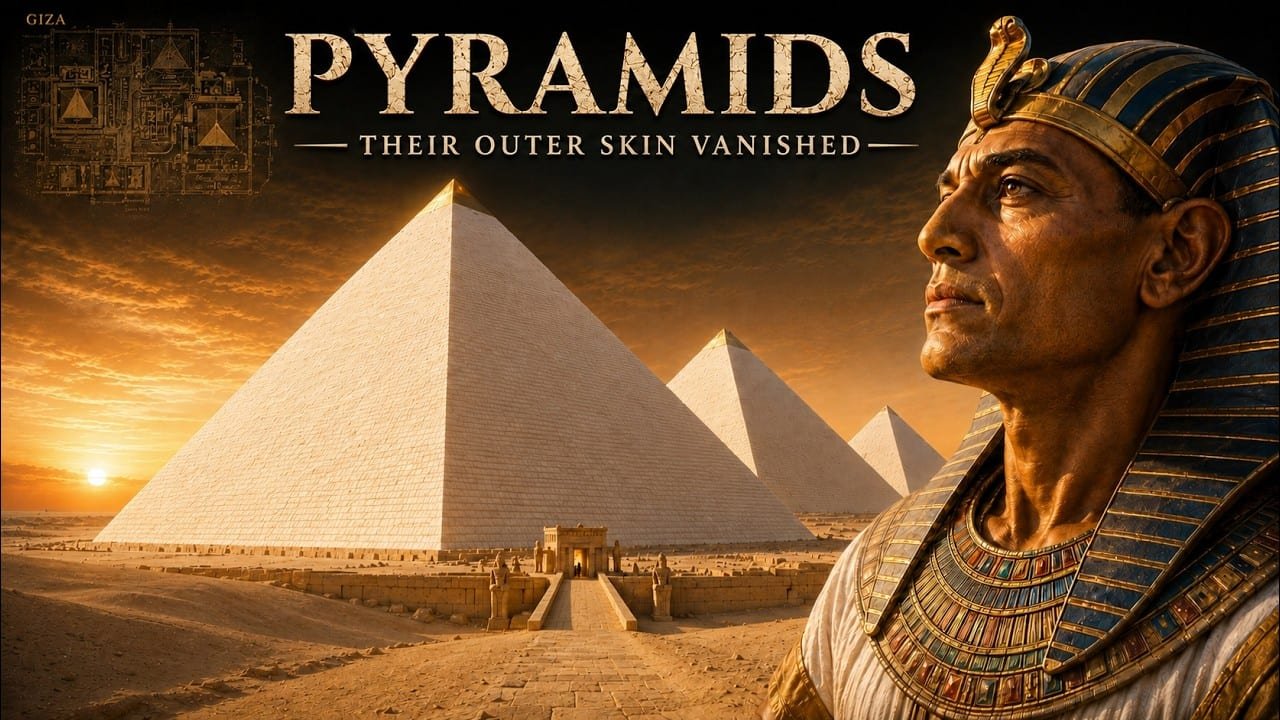
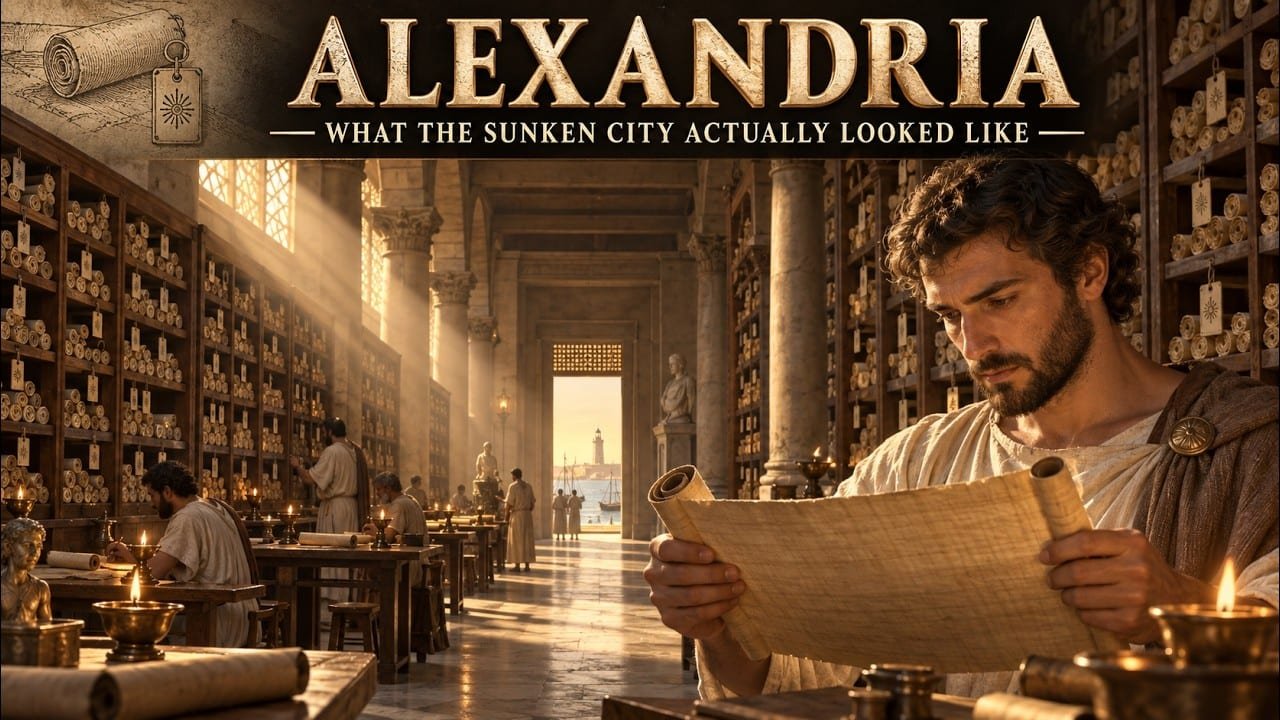
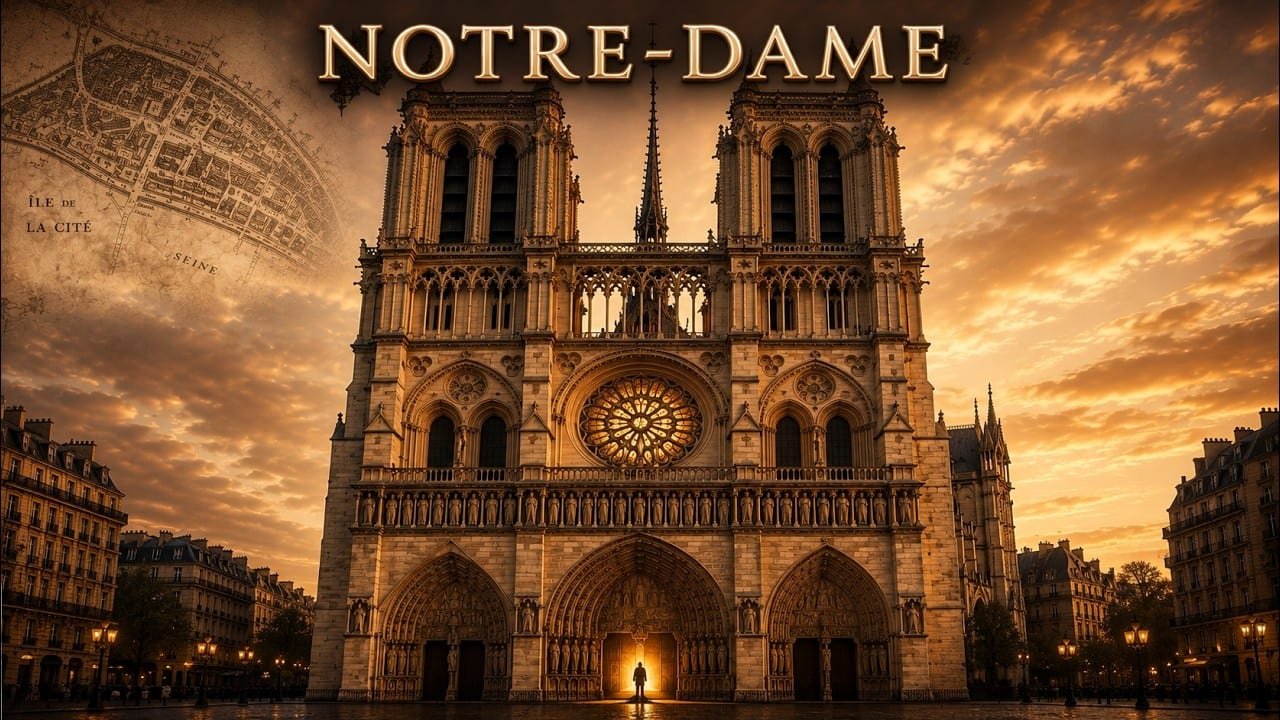
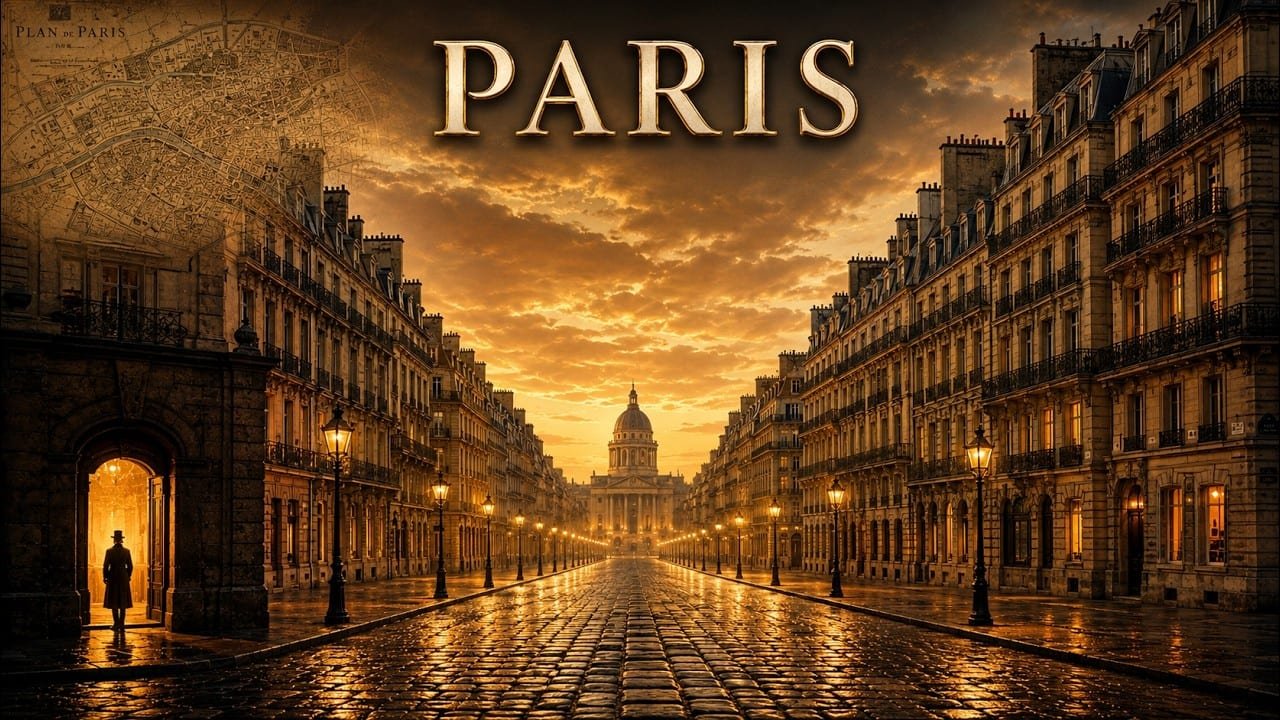
A capital rebuilt twice over — once in stone by the cathedral guilds, once in stone and boulevard by an emperor’s prefect.
Five hundred years of a city arguing with itself about what it should look like — and a bridge that carried houses across a river for six centuries.
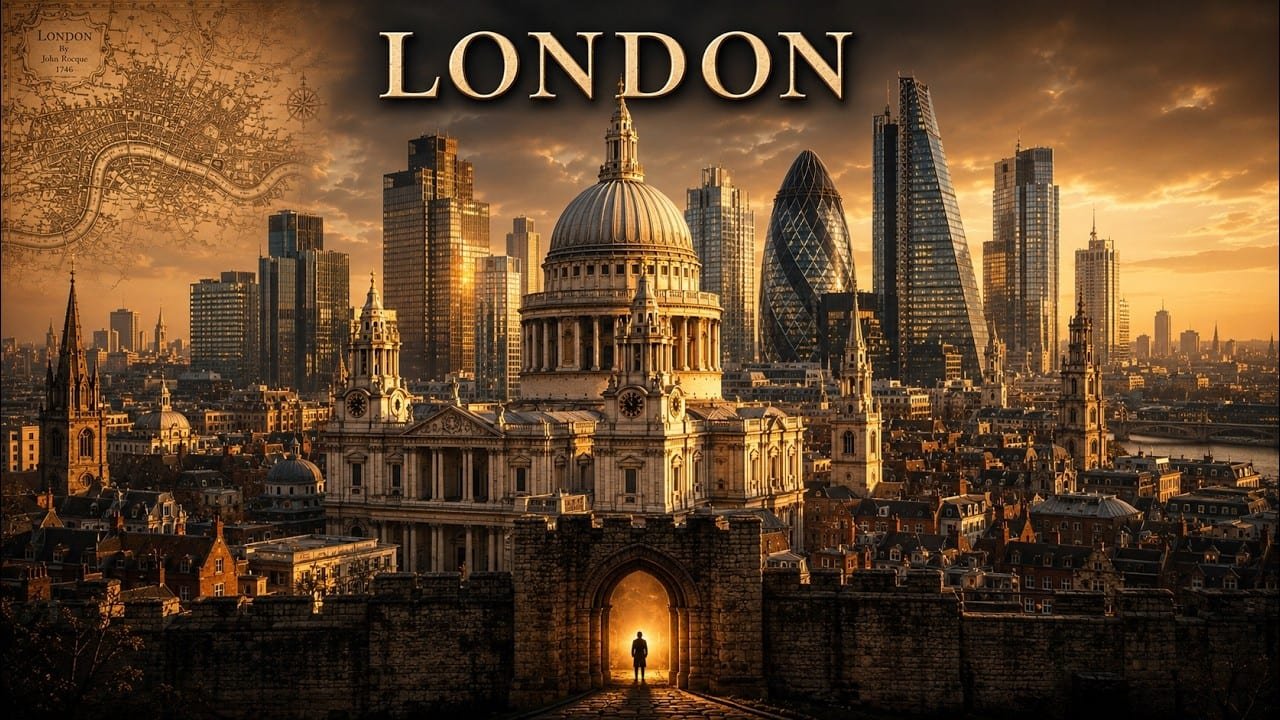
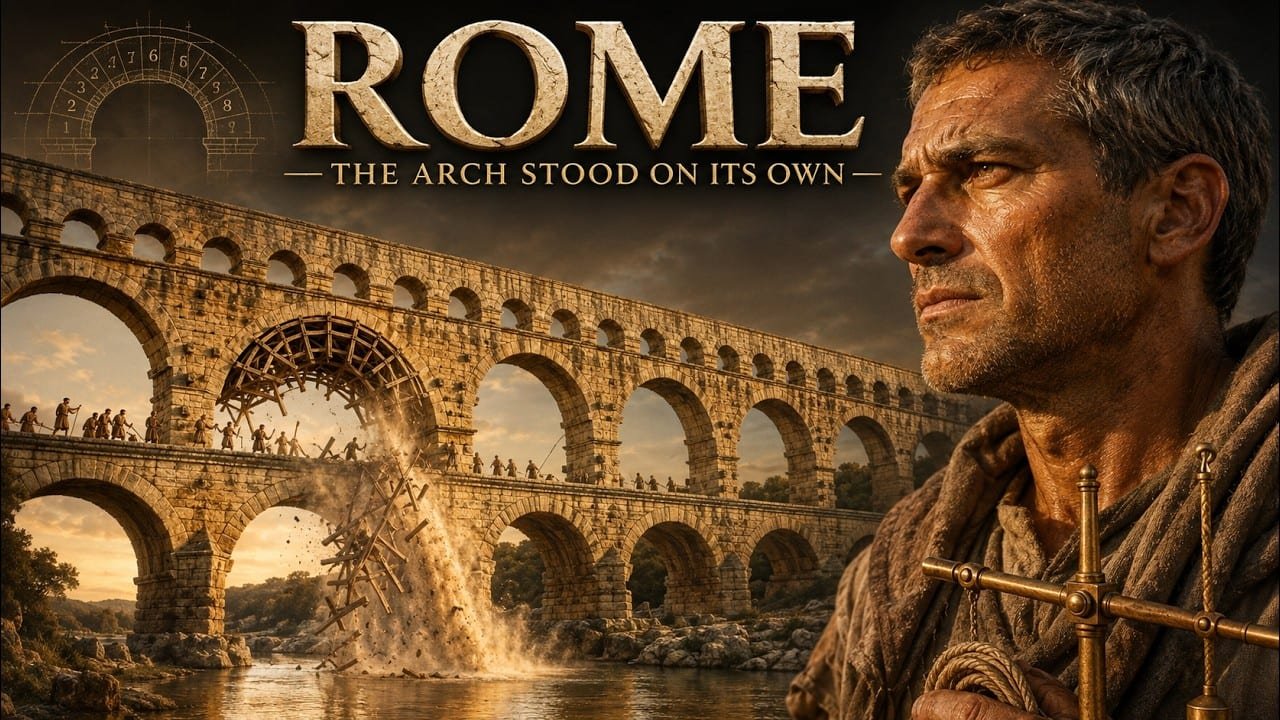
The buildings that set the vocabulary every later empire on this list borrowed from, argued with, or tried to outbuild.
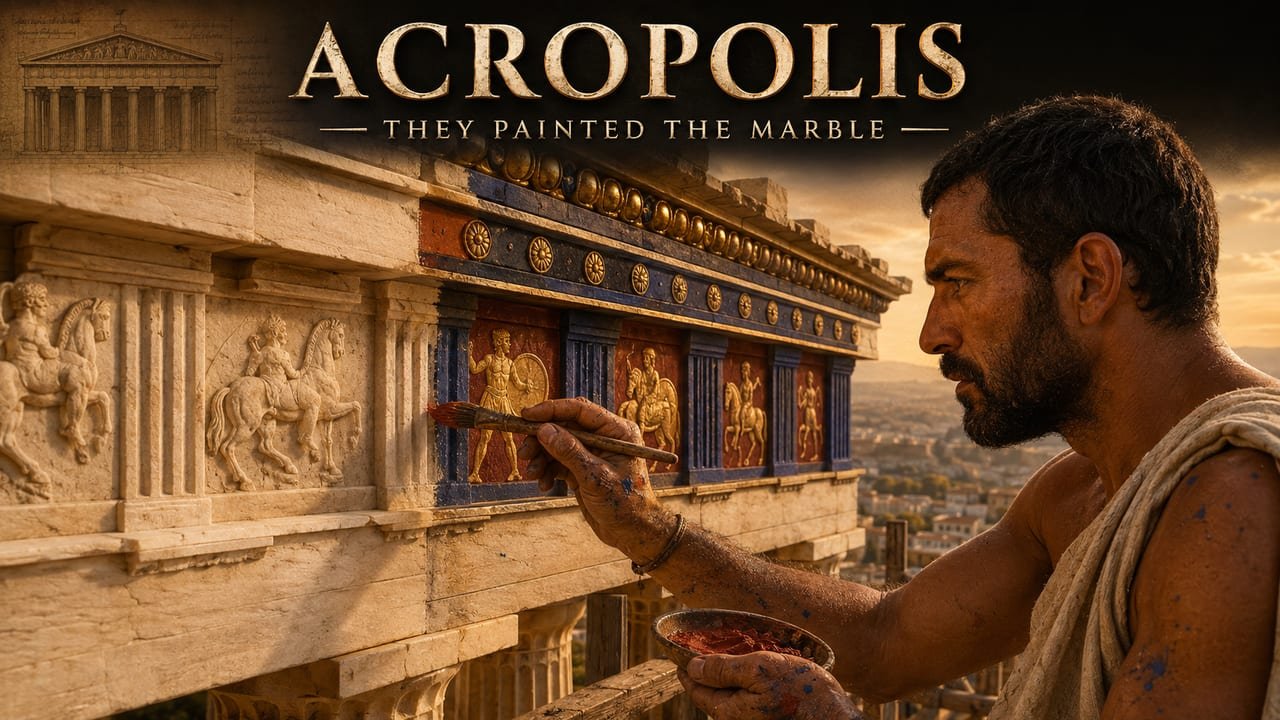
Where the oldest monumental architecture we know of stands a few hundred kilometres from the city that was the capital of the world for a thousand years.
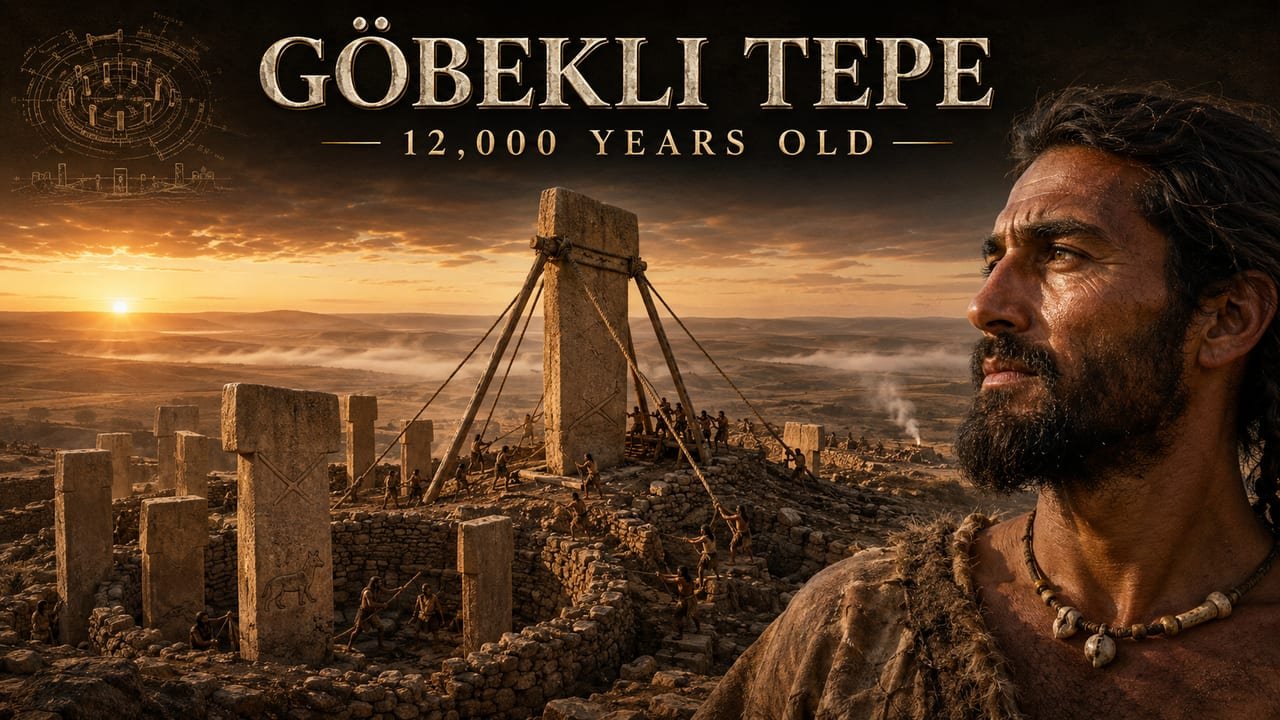
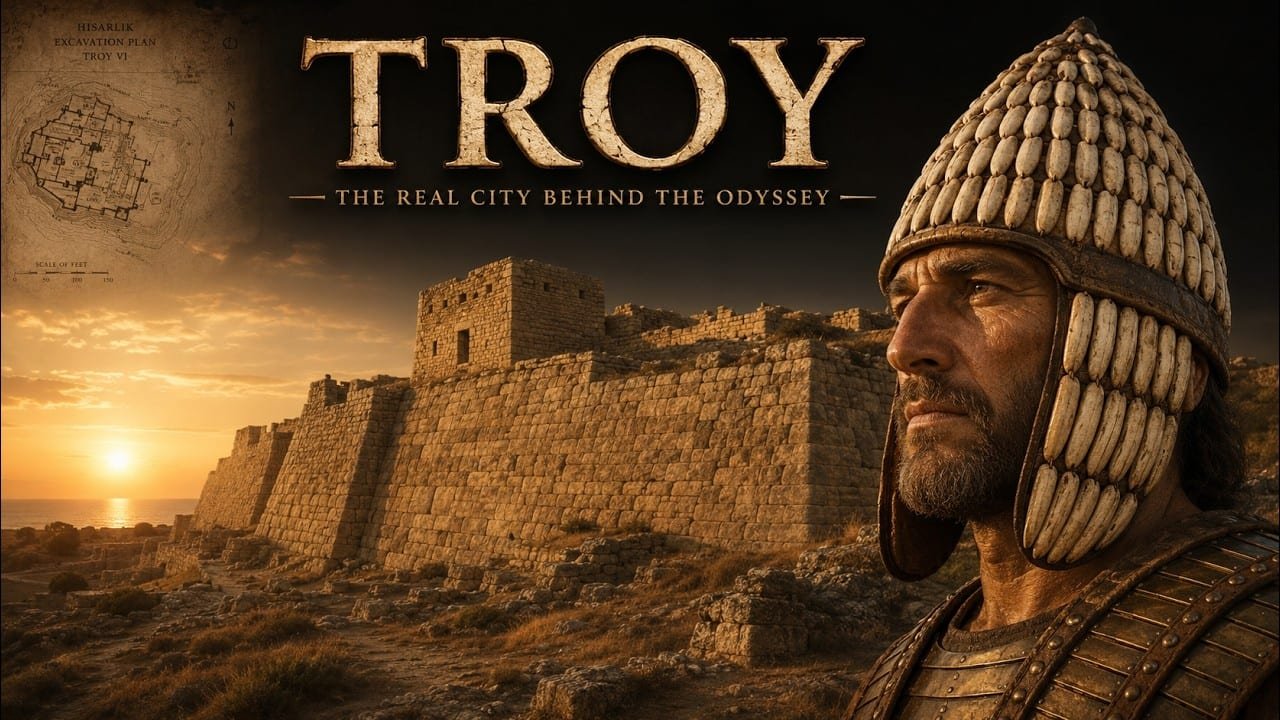
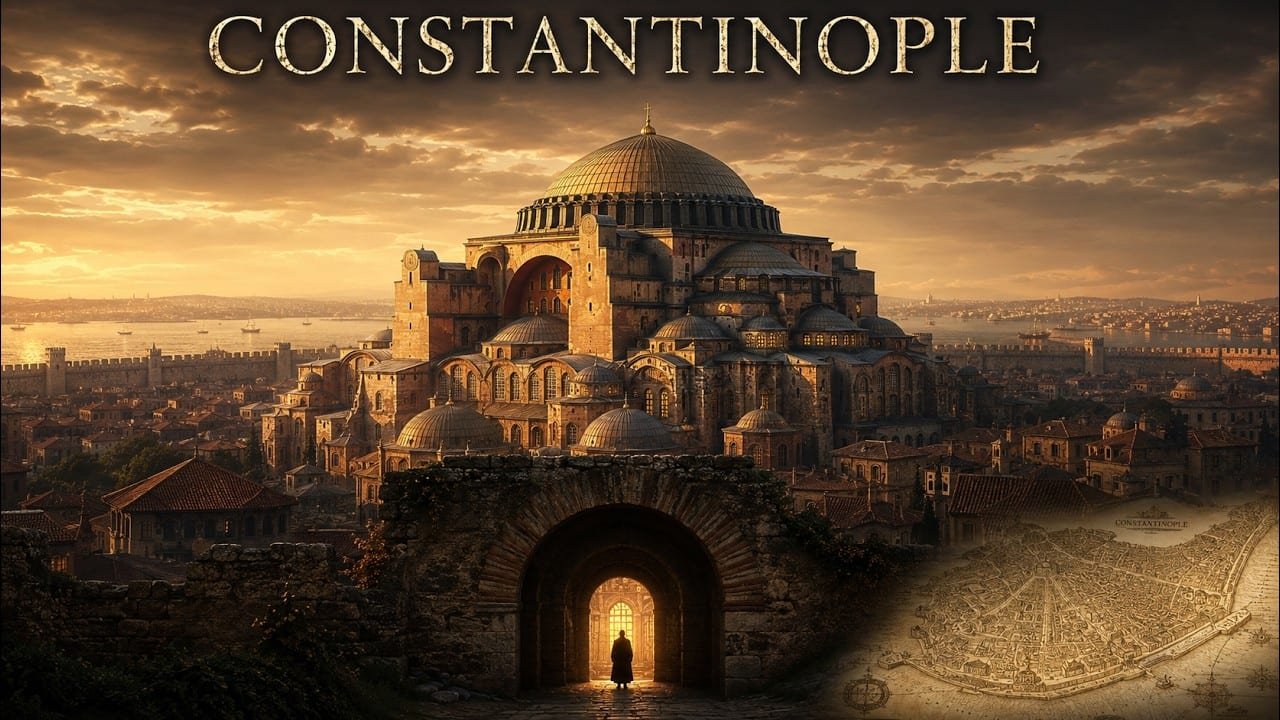
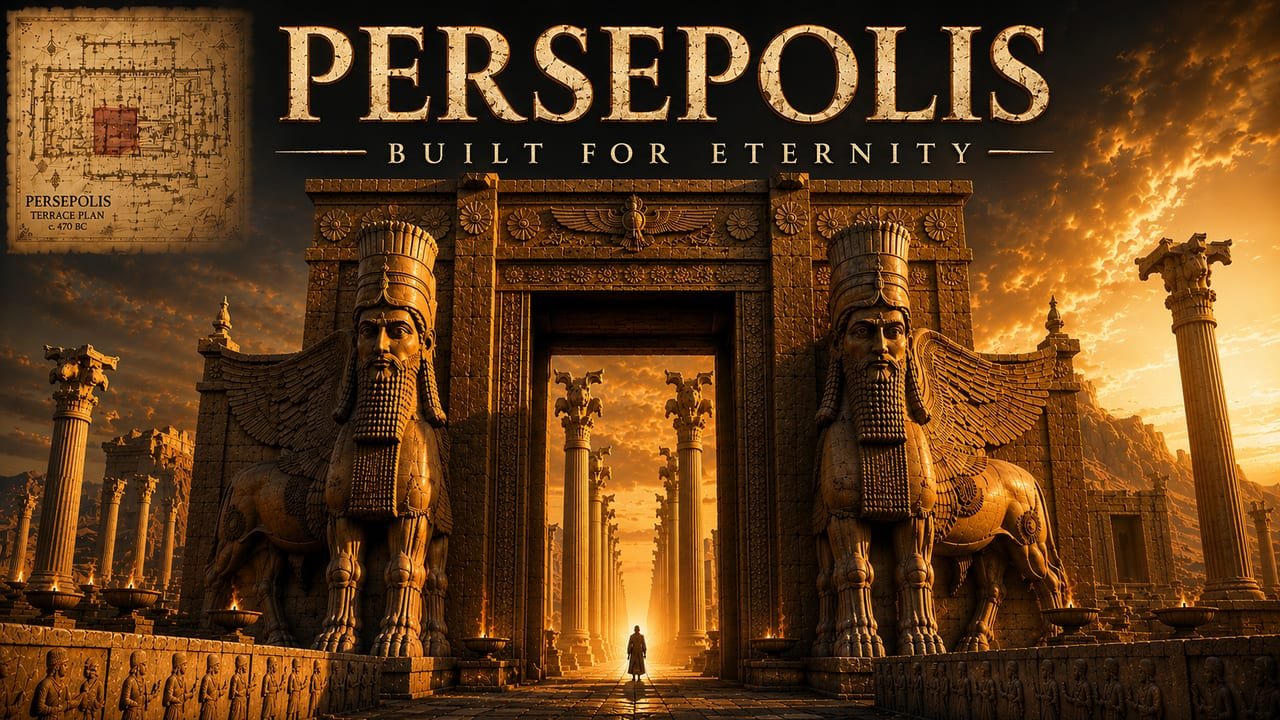
The ceremonial capital of the first empire to govern by tolerance rather than terror — and the fire that ended it.
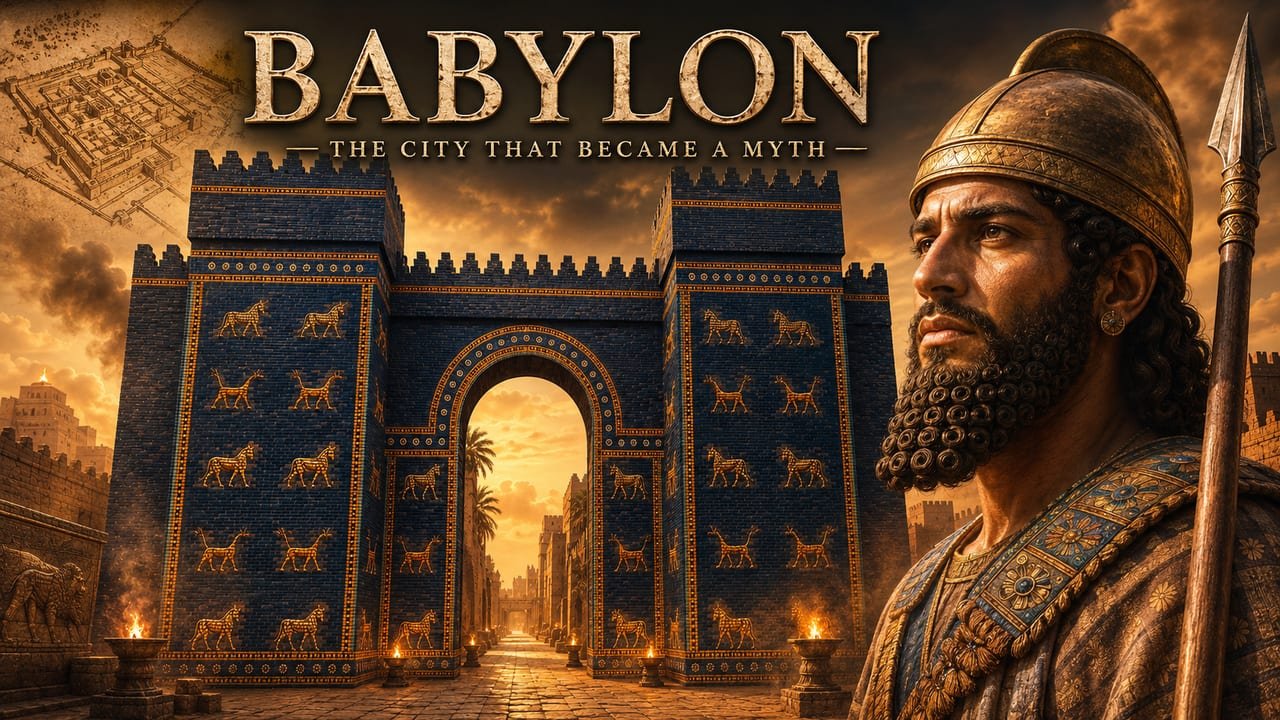
Mesopotamia: the floodplain where cities, writing, law and the idea of a wonder of the world were all invented within sight of each other.
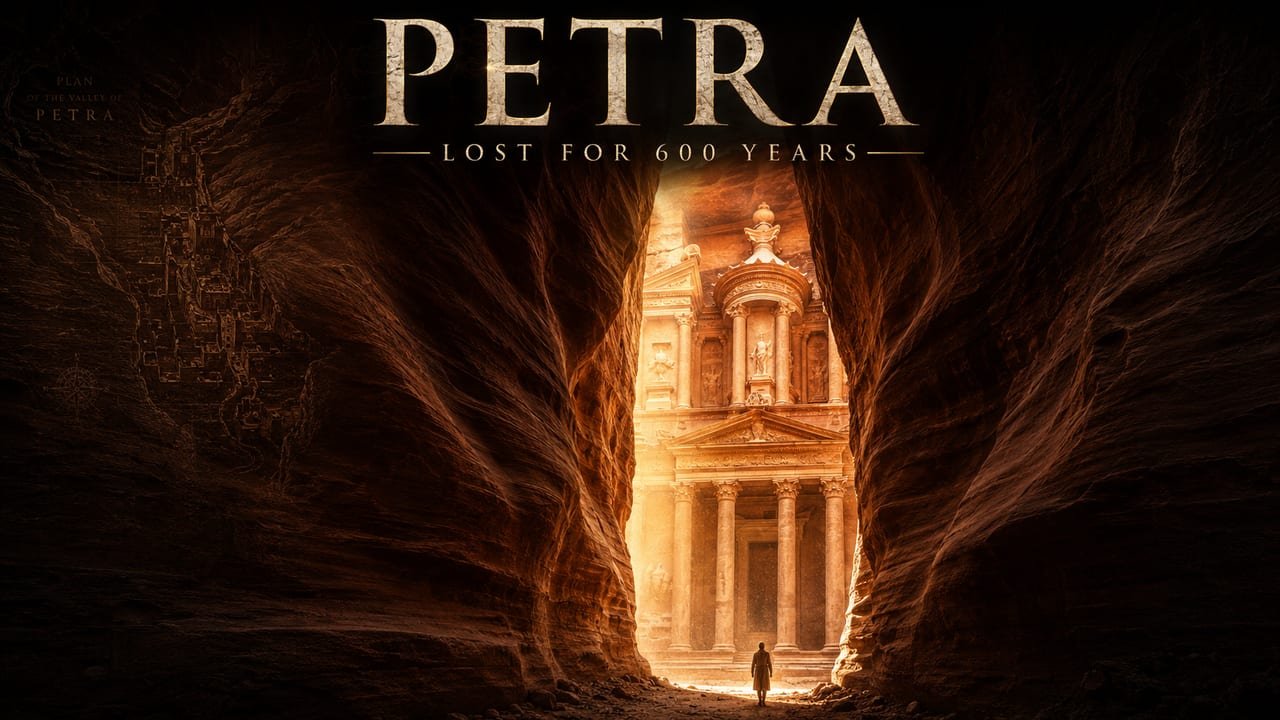
A trading people who cut a capital out of a canyon wall and engineered water in a desert well enough to run gardens in it.
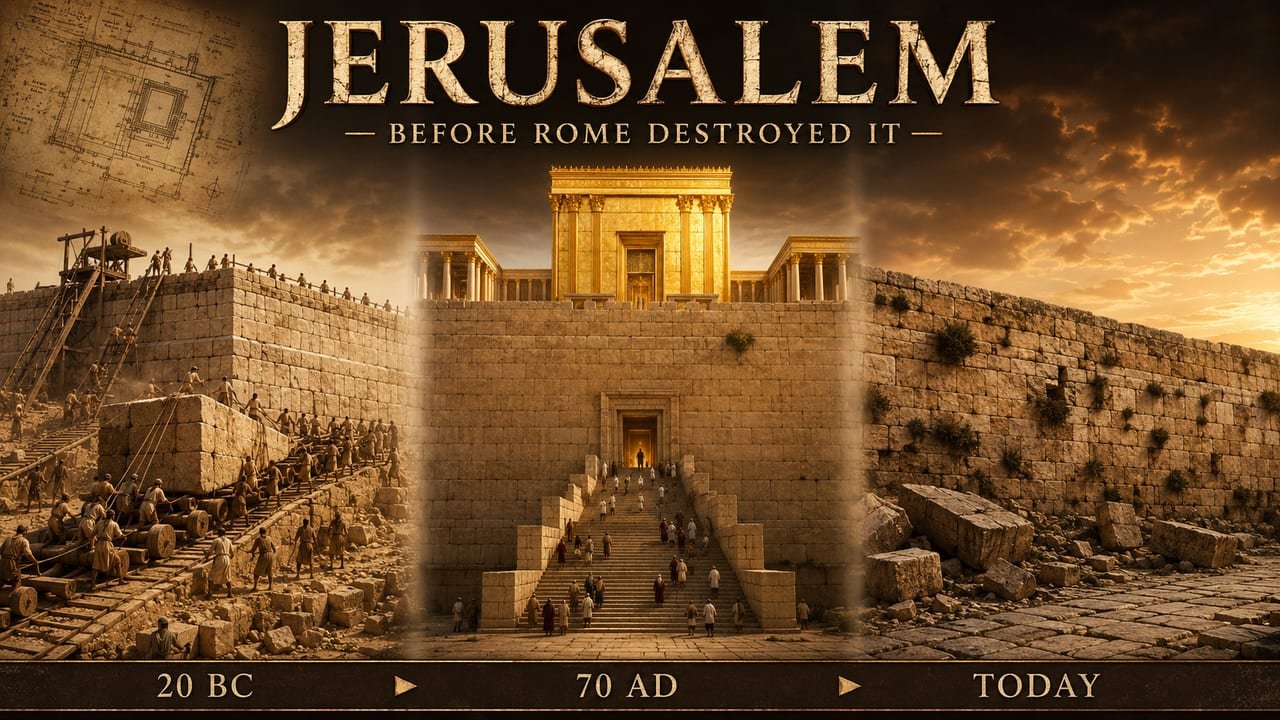
The most fought-over few hectares of masonry on Earth, rebuilt and levelled more times than any other site on this atlas.
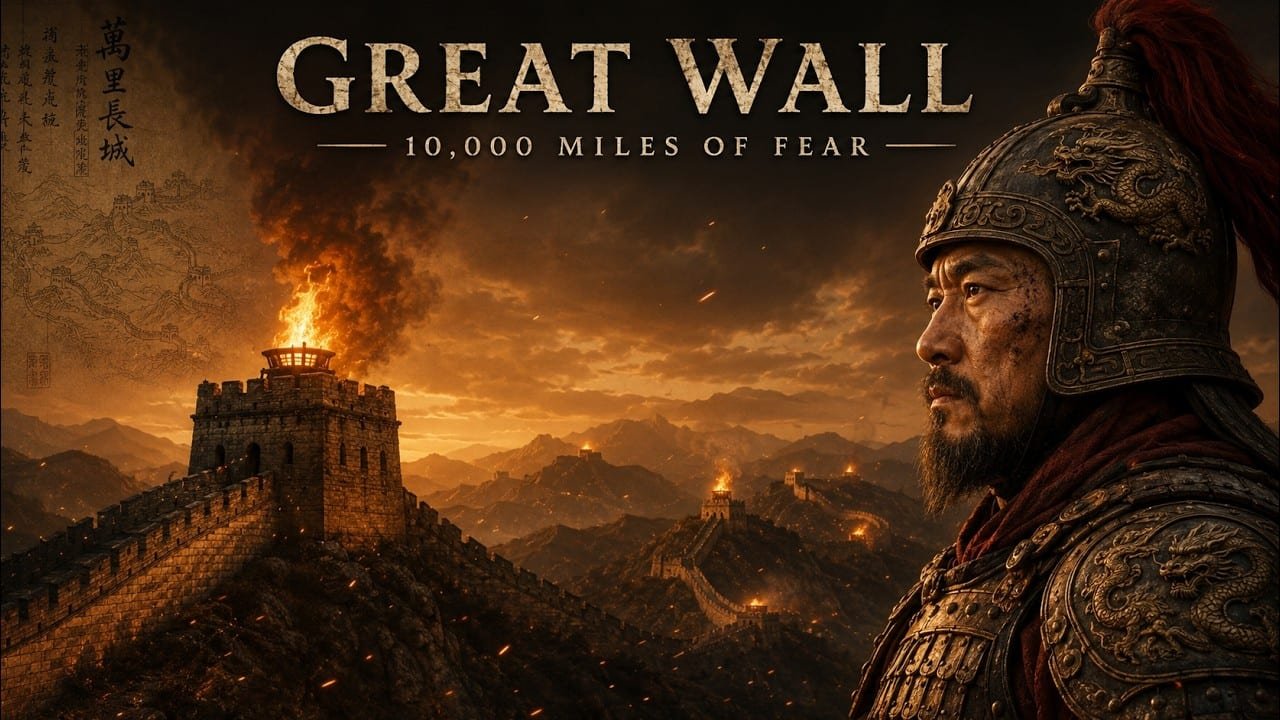
Not one wall but a two-thousand-year argument about frontiers, rebuilt in rammed earth, brick and stone by successive dynasties.